In daily life, waste glass bottles—especially empty wine bottles discarded in large quantities by wineries—are often regarded as useless garbage. However, with proper processing and creative transformation, these seemingly worthless bottles can be turned into valuable resources, not only reducing environmental pollution but also creating unexpected economic and aesthetic benefits. From building eco-friendly houses to crafting exquisite artworks, waste wine bottles have far more reuse value than we imagine. Today, we will explore the diverse ways to reuse waste glass bottles, combining practical cases from around the world to show you how to turn “trash” into “treasure”.
1. Waste Glass Bottles as Building Materials: Constructing Eco-Friendly and Unique Houses
Using waste glass bottles to build houses is a bold and environmentally friendly practice that not only reduces construction costs but also creates a distinctive visual effect. A striking example comes from a unique house located near the Dnieper River in northeastern Kyiv, Ukraine.
At first glance, this house seems no different from ordinary buildings, but a closer look reveals an amazing detail: the entire walls are built with empty glass wine bottles. This creative work is the brainchild of a local Ukrainian named Meshcheriakov. He initially tried using glass bottles to build two small walls and was pleasantly surprised by the results— the bottles not only provided good light transmission but also enhanced the thermal insulation of the walls. Encouraged by this, he decided to expand the project and build a complete house, which ended up using tens of thousands of empty wine bottles.
What makes this project even more meaningful is the source of the bottles: all the empty wine bottles were collected from the nearby Dnieper River beach. Every summer, the staff can pick up more than 50,000 empty bottles from the beach. By reusing these discarded bottles for construction, two goals are achieved at once: first, the beach environment is cleaned up, eliminating the pollution caused by scattered waste bottles; second, a low-cost, eco-friendly, and unique house is built. The glass bottle walls not only have a beautiful translucent appearance but also help regulate indoor temperature—keeping the house cool in summer and warm in winter, thanks to the air trapped between the bottles. This practice perfectly demonstrates how waste glass bottles can be transformed into practical and sustainable building materials.
2. Waste Glass Bottles as Art Raw Materials: Crafting Exquisite Handmade Artworks
Beyond practical construction, waste glass bottles can also be turned into delicate artworks with artistic value, as demonstrated by a glass studio in Australia.
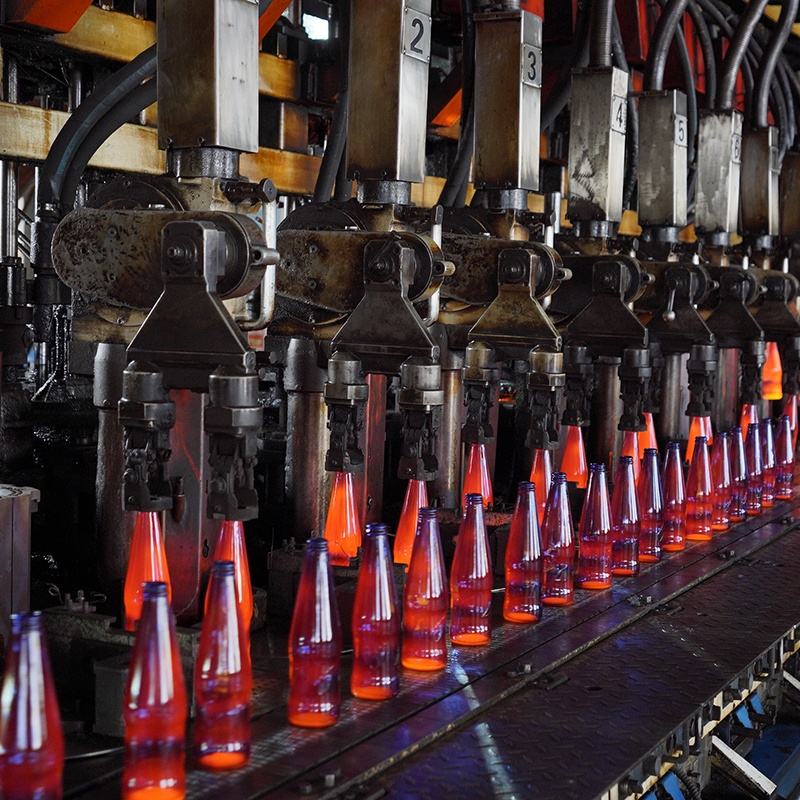
The studio specializes in transforming waste wine glass bottles into a variety of creative glass products, and their production process is both professional and imaginative. First, the collected waste glass bottles are crushed into small pieces, then these glass fragments are put into a box-type electric furnace for melting. Under high temperature, the glass fragments turn into a viscous molten state. Then, professional craftsmen use seamless steel pipes to blow the molten glass into various shapes according to the designed drawings. From colorful glass mugs and lamp shades to intricately designed inlaid decorations and small and exquisite glass ornaments, the finished products cover a wide range of categories, each with unique colors and textures.
Thanks to the studio’s team of professional designers, the glass artworks made from waste bottles are not only aesthetically pleasing but also carry environmental significance. These products are not only popular in East Africa, where they are sold in local art markets and boutiques, but also attract a large number of foreign tourists who are drawn to their unique charm and eco-friendly concept. What’s more, this recycling method gives waste glass bottles a new lease on life, reducing the need for raw materials for new glass products and lowering the carbon footprint of the glass industry.
3. Additional Reuse Methods for Waste Wine Bottles: Practical and Creative Ideas for Wineries
For wineries that generate a large number of waste glass bottles every year, in addition to the large-scale applications mentioned above, there are many more practical and creative reuse methods that can be integrated into daily operations, enhancing brand image while promoting sustainability:
3.1 DIY Decorative Items for Winery Venues
Wineries can directly reuse empty wine bottles as decorative elements in their vineyards, tasting rooms, or sales halls. For example:
- Hanging lanterns: Remove the bottle caps, put LED string lights inside the bottles, and hang them on the branches of vineyards or the ceilings of tasting rooms. The soft light shining through the glass creates a warm and romantic atmosphere, perfect for attracting visitors.
- Plant pots: Cut the bottom of the bottles (using professional tools to ensure safety) and use them as small pots for succulents or herbs. Placing these bottle pots on the windowsills of tasting rooms or the counters of sales areas not only adds a touch of greenery but also showcases the winery’s commitment to environmental protection.
- Label display stands: Keep the bottles intact, remove the labels, and engrave the names of different wine varieties on the bottle surfaces. Use these bottles as display stands for wine labels or small signs, adding a unique and personalized touch to the winery’s interior design.
3.2 Raw Materials for Recycled Glass Production
The most mainstream and large-scale reuse method for waste glass bottles is recycling and remanufacturing. Wineries can collect waste wine bottles in a unified manner and send them to professional glass recycling factories. The recycling process is as follows:
- Sorting and cleaning: The collected waste bottles are sorted by color (clear, green, brown) to ensure that the recycled glass has a uniform color. Then, they are cleaned to remove labels, glues, and residual wine.
- Crushing and melting: The sorted and cleaned bottles are crushed into glass cullet, which is then melted in a furnace at high temperature. Adding glass cullet to the raw materials for new glass bottles can reduce energy consumption by 30-50% compared with using all-new raw materials (such as quartz sand), as cullet melts at a lower temperature.
- Remanufacturing: The molten glass is then used to produce new wine bottles. This closed-loop recycling method not only reduces the amount of waste glass sent to landfills but also helps glass manufacturers lower production costs. For wineries, cooperating with glass manufacturers to implement bottle recycling can also establish a sustainable supply chain, enhancing the brand’s social responsibility image.
3.3 Creative Gift Sets for Customers
Wineries can also turn waste glass bottles into unique gift sets for customers, increasing product added value:
- Customized glass crafts: Cooperate with local handcraft studios to transform waste wine bottles into personalized gifts, such as engraved wine glasses, bottle openers, or small vases. These gifts can be given to VIP customers or included in high-end wine gift boxes, making the gifts more meaningful.
- Seed-embedded bottle planters: Fill the bottom of cleaned wine bottles with soil and plant flower seeds or herb seeds. Seal the bottle mouth with a decorative cap and attach a small card that says “Grow with our wine”. This creative gift not only promotes environmental protection but also deepens the emotional connection between the winery and its customers.
4. The Significance of Reusing Waste Glass Bottles for Wineries and the Environment
Reusing waste glass bottles is not just a “small trick” of environmental protection—it has far-reaching significance for both wineries and the global environment:
- For wineries: Reduces waste disposal costs (such as landfill fees and transportation fees), creates additional economic benefits through creative reuse, and enhances the brand’s green and sustainable image, which is increasingly valued by consumers.
- For the environment: Glass is a non-biodegradable material, and discarded bottles can take hundreds of years to decompose in the natural environment. Reusing and recycling waste glass bottles reduces the demand for natural resources (such as quartz sand and soda ash), cuts down energy consumption and carbon emissions from glass production, and alleviates the pressure on landfills.
In conclusion, waste glass bottles are never “useless garbage”—they are hidden treasures waiting to be discovered. Whether it is building an eco-friendly house, crafting exquisite artworks, or creating decorative items for wineries, there are countless ways to give these bottles a new life. For wineries that produce and use a large number of glass bottles every year, actively exploring reuse methods is not only a responsibility to the environment but also a way to create greater value for the brand.
Post time: Nov-25-2025