For an emerging spirits brand, the bottle decision is rarely a simple choice between “standard” and “premium.” It is a commercial decision that affects launch timing, working capital, filling-line readiness, shelf recognition, intellectual property, and the amount of demand risk carried before the first case ships. Procurement managers need a route that can be sourced and repeated; brand leaders need a package that communicates value. The best answer aligns both goals.
Quick Answer
Choose a stock bottle when launch speed, lower commitment, and market testing matter most. Choose decorated stock when you need stronger shelf impact without creating bottle geometry. Choose a proprietary mold when distinctive structure is central to brand equity and your forecast can support tooling, validation, and ongoing production commitments. Many new brands should launch with decorated stock, validate repeat demand, and then migrate to proprietary glass with contractual control of the mold, exclusive use, and IP.
The Three Spirits Packaging Routes
1. Stock Bottle
A stock bottle uses an existing supplier design and production setup. Multiple customers may buy the same shape, while your brand is differentiated through labels, closures, cartons, and secondary packaging. This is usually the most direct route to sampling and filling trials because the structural package already exists. Start by reviewing the glass bottle product catalog, including formats such as a 750 ml clear whiskey bottle or the Desiree 700 ml/750 ml bottle.
Best fit: first launches, regional tests, short planning windows, limited cash exposure, or brands whose identity is led by liquid, label art, and storytelling rather than unique glass architecture.
2. Decorated Stock Bottle
Decorated stock begins with an existing bottle, then adds brand-specific surface treatment. Depending on technical feasibility and supplier capability, options may include direct printing, coating, frosting, applied decoration, premium labels, emboss-like effects created through secondary components, or a coordinated closure and gift pack. The bottle geometry remains non-exclusive, but the finished presentation can become highly distinctive.
Best fit: brands that need more shelf presence than a label-only pack but are not ready to fund, validate, or forecast a proprietary bottle. Decoration has its own setup, color-control, adhesion, scuff, and minimum-order requirements, so request samples and production specifications rather than assuming every finish works on every bottle.
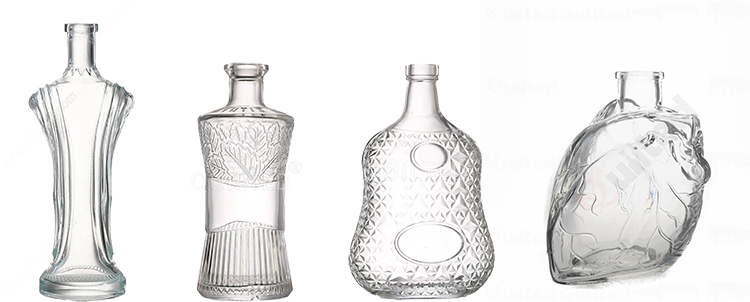
3. Proprietary Mold
A proprietary mold creates brand-specific glass geometry: silhouette, shoulder, base, grip, paneling, embossing, or other structural features. The route normally includes design development, drawings, engineering review, mold fabrication, pilot samples, dimensional inspection, filling-line tests, and production approval. Explore the supplier’s custom bottle design process and treat every cost, minimum, and timeline as an RFQ variable. The older overview of custom glass bottle mold charging can frame questions, but your written quotation and contract must govern the project.
Best fit: brands with validated demand, clear structural design intent, sufficient schedule contingency, and a strategy to turn the bottle shape into a recognizable long-term asset.
Important: Paying for tooling does not automatically prove that you own it or that the supplier cannot use it for another customer. Exclusivity must be written into the mold ownership, exclusive-use, confidentiality, and intellectual-property clauses.
Side-by-Side Commercial Comparison
| Decision Factor | Stock Bottle | Decorated Stock | Proprietary Mold |
|---|---|---|---|
| Upfront budget | Typically lowest structural setup; confirm bottle, closure, label, and packing costs. | Adds decoration setup, trials, artwork control, and possible rejects. | Includes design, engineering, tooling, sampling, validation, and change risk. |
| Time to launch | Usually fastest if inventory, closure, and ship window align. | Moderate; decoration trials and approvals add steps. | Longest and least predictable because tooling and validation precede scale production. |
| MOQ / commitment | Often more flexible, but bottle and packing configuration matter. | Driven by both glass and decoration economics. | Usually requires stronger volume planning; confirm each production and reorder minimum. |
| Mold ownership | Not applicable; shared design. | Bottle mold remains non-exclusive; decoration artwork may be protected separately. | Must be explicitly assigned, documented, identified, stored, maintained, and restricted by contract. |
| Differentiation | Lowest structural distinction; brand system carries the work. | Strong visual distinction without unique geometry. | Highest potential structural recognition and defensibility. |
| Validation risk | Lower structural risk, but still test closure, label, filling, packing, and transit. | Adds appearance, adhesion, abrasion, chemical-resistance, and color-consistency checks. | Highest: capacity, weight, dimensions, top load, impact, closure fit, line handling, and transit all need approval. |
The table indicates relative complexity, not guaranteed commercial terms. Furnace scheduling, glass color, bottle weight, decoration, closure, destination, pallet pattern, quality plan, and forecast can all change the quotation. Compare landed cost and cash timing—not bottle unit price alone.
How to Choose Without Overbuilding the Launch
Budget: Include the Cost of Being Wrong
A custom bottle may improve perceived value, but early forecasts can be fragile. Model tooling and development, production deposits, warehousing, freight, secondary packaging, line change parts, inspection, breakage allowance, and obsolete inventory if the design changes. For stock, model availability risk and the cost of switching to a substitute. For decorated stock, include setup waste, color standards, and rework rules. A lower unit price can still consume more cash if its order commitment is larger.
Timing: Work Backward from Fill Date
Separate supplier production lead time from the complete critical path. Before filling, you may need drawings, physical samples, closure trials, label dielines, decoration approvals, regulatory text, packaging tests, freight booking, incoming inspection, and contingency for correction. Ask the supplier to quote milestone dates and dependencies, not only a single estimated ship date. Order bottle samples early enough for line and component testing.

MOQ and Forecast: Match Commitment to Evidence
Do not ask only, “What is the MOQ?” Ask what drives it: glass production, color, decoration, cartons, palletization, or a full-run requirement. Request price breaks, reorder minimums, overrun and underrun tolerances, inventory options, and forecast assumptions. Then stress-test the plan against a slower sell-through case. Proprietary glass becomes more rational when repeat demand is demonstrated and the same architecture can serve several expressions without confusing the consumer.
Differentiation: Decide What Must Be Ownable
If your recognition comes from a bold label, closure color, and carton, decorated stock may deliver sufficient distinction. If the silhouette must be recognizable from across a bar, structural design has greater strategic value. Define the non-negotiable cues—profile, shoulder, base, embossing, tactile areas—and simplify less important features. This creates a clearer brief and reduces late engineering changes.
The Hybrid Route: Validate First, Own Later
A hybrid plan deliberately stages investment. Launch with a compatible stock bottle and a strong decoration system; collect sell-through, distributor feedback, handling issues, and consumer response; then convert the validated brand cues into proprietary geometry. Where possible, keep closure strategy, label application method, case dimensions, and filling-line requirements compatible across phases. That reduces migration disruption.
Another hybrid is portfolio segmentation: use a reliable stock family for core expressions and reserve proprietary glass for a flagship or premium tier. The risk is visual fragmentation, so maintain common brand codes across labels, closures, glass color, and secondary packaging. Review available bottle packaging options as part of the system, not as an afterthought.
Practical principle: Do not use a custom mold to prove demand that a decorated stock bottle could test. Use custom glass when the structural asset supports a proven commercial story.
A Simple Decision Tree
1. Is the launch date fixed and close?
Yes → prioritize an available stock bottle and validate all components immediately.
No → continue.
2. Is unique bottle geometry essential to the brand promise?
No → choose stock or decorated stock.
Yes → continue.
3. Is demand supported by credible purchase plans, repeat orders, or tested sell-through?
No → use decorated stock as a market-validation bridge.
Yes → continue.
4. Can the budget and schedule absorb tooling, samples, validation, and revisions?
No → simplify the design or stage the move.
Yes → request a proprietary-mold proposal.
5. Will the contract confirm mold ownership, exclusive use, and IP rights?
No → do not treat the shape as exclusive.
Yes → proceed to technical and legal review.
RFQ Information Checklist
A comparable quotation requires a comparable brief. Include:
- Spirit category, target market, nominal fill volume, overflow capacity requirements, and applicable tolerances.
- Bottle concept, reference images, critical dimensions, glass color, target weight range, and required brand features.
- Closure type, finish specification, tamper-evidence needs, and whether closure samples are available for testing.
- Label dimensions and application method, decoration artwork, color references, finish standards, and acceptable variation.
- Filling-line constraints: conveyor contact, guide rails, rinser, filler, capper or corker, labeler, and inspection points.
- Forecast by launch order and reorder, expected cadence, price-break request, and acceptable quantity tolerance.
- Case pack, dividers, pallet requirements, destination, Incoterm request, and transit-test expectations.
- Quality documents, inspection plan, sample stages, approval authority, target fill date, and required milestone schedule.
- For custom work: design responsibility, mold set details, ownership, exclusive use, maintenance, storage, useful-life reporting, and transfer procedure.
Send the completed brief through the request-a-quote page, then ask suppliers to identify assumptions and exclusions in writing.

Contract Terms to Settle Before Tooling or Production
Mold Ownership, Exclusive Use, and IP
State who owns drawings, CAD files, prototypes, production molds, replacement parts, embossing, and bottle geometry; when ownership transfers; and whether payment is evidence of transfer. Prohibit use, sale, sampling, display, or modification for third parties without written permission. Define territories, product categories, affiliates, duration, confidentiality, infringement response, and survival after termination. Require mold identification and an inventory record.
Storage, Maintenance, Transfer, and End of Life
Assign responsibility for storage conditions, preventive maintenance, repair approval, damage, insurance, inactivity, replacement, and disposal. Include the right and practical process to inspect or transfer tooling, plus the file formats and technical information needed if production moves.
Specifications, Samples, and Change Control
Attach controlled specifications for dimensions, capacity, weight, finish, appearance, decoration, packing, and agreed tolerances. Identify the approved reference sample and acceptance tests. No material, process, mold, subcontractor, or production-site change should occur without the agreed notice and approval procedure.
Quality, Quantity, Delivery, and Remedies
Define inspection method, sampling standard, defect categories, quantity tolerance, traceability, nonconformance notice, root-cause response, replacement or credit, and who pays related freight or sorting. Record milestone dates, approval delays, shipment terms, title and risk transfer, packaging requirements, and remedies for missed commitments. Legal counsel should adapt these provisions to your markets and transaction.
Frequently Asked Questions
Is a custom bottle always better for a premium spirit?
No. Premium perception can come from proportions, glass quality, decoration, closure, label materials, and presentation. A coherent decorated stock package can outperform an overcomplicated custom bottle with weak execution.
Can a stock bottle still feel distinctive?
Yes. Build a proprietary visual system around decoration, label architecture, closure, color, and secondary packaging. Confirm decoration durability and repeatability with physical samples and production standards.
Who owns a custom bottle mold?
The contract decides. Tooling payment alone should not be treated as sufficient proof. Document mold ownership, exclusive-use rights, IP ownership or license, storage, maintenance, access, transfer, and restrictions on third-party use.
What should be tested before approving production?
Test capacity and dimensions, closure fit and sealing, filling-line handling, label application, decoration resistance, case packing, pallet stability, and distribution performance. Custom shapes may require broader mechanical and dimensional validation based on the intended route to market.
When should a brand move from stock to proprietary glass?
Move when demand evidence, margin, forecast confidence, and brand strategy justify the investment—and when the schedule can absorb development and validation. The strongest trigger is not age of the brand but confidence that structural differentiation will create durable commercial value.
Bottom line: Stock controls exposure, decorated stock balances speed and impact, and proprietary molds create the greatest structural ownership opportunity—with the greatest need for planning and contractual clarity. Choose the route your launch can validate, finance, and repeat.
Post time: Sep-18-2026