For many wine and spirits enthusiasts, knowing how to store brandy properly is not always intuitive. Unlike red wine, which is often laid horizontally in a cool cellar, brandy has its own unique storage rules. Getting it wrong can compromise the aroma, flavor, and overall quality of this precious spirit.
At Jiangsu QLT Glass Products Co., Ltd., we not only manufacture high-quality glass bottles for brandy and other spirits—we also understand the science behind proper storage. In this article, our sales specialist Amanda shares essential knowledge about brandy storage under different conditions, helping you preserve every drop’s character.
Why Does Brandy Storage Matter?
Brandy is a distilled spirit aged in oak barrels, which gives it its rich amber color and complex flavor profile. Once bottled, the aging process essentially stops—but the liquid remains sensitive to external factors. Light, temperature fluctuations, and improper bottle orientation can accelerate chemical reactions that degrade the spirit’s quality over time.
Understanding these factors is key for both collectors and everyday drinkers. And for brandy producers, choosing the right bottle and closure is the first step toward protecting your product after it leaves the distillery.
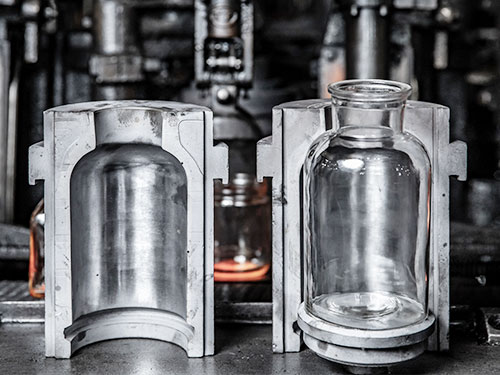
1. Avoid Direct Sunlight and Strong Light Exposure
Light is one of brandy’s greatest enemies. Ultraviolet and even visible light can trigger photochemical reactions among the long-chain fatty acids and aromatic compounds in brandy. Over time, this causes:
-
Fading of the rich amber color
-
Loss of original bouquet and flavor complexity
-
Development of off-flavors
Ironically, many brandy bottles are made of clear (flint) glass specifically to showcase the beautiful golden hue of the liquid inside. While this is aesthetically pleasing on the shelf, it leaves the brandy vulnerable to light damage.
QLT Glass Solution:
We strongly recommend that brandy bottles be stored in their original gift boxes or in dark cabinets away from windows. For brandy producers looking for a more permanent solution, QLT Glass offers colored glass options—such as amber, dark green, or frosted bottles—that provide built-in UV protection while still presenting a premium appearance. We also support ceramic decanter-style bottles with opaque finishes, which combine elegance with maximum light protection.

2. Maintain a Stable, Cool Temperature
Temperature plays a crucial role in brandy preservation. Both excessive heat and rapid temperature fluctuations accelerate unwanted chemical reactions, causing the spirit to lose its delicate aromas and flavors.
Furthermore, high temperatures cause alcohol evaporation. As alcohol vapor rises, it can seep past the closure and escape, reducing the proof of your brandy. Worse still, the escaping vapor may cause cork staining or contamination, introducing unpleasant tastes into the liquid.
Recommended storage temperature: 7–12°C (45–54°F).
Avoid storing brandy near radiators, ovens, direct sunlight, or in attics that experience seasonal temperature swings.
QLT Glass Solution:
While we cannot control your storage environment, we can help you choose the right closure to minimize evaporation and contamination. Our aluminum screw caps with PTFE liners provide an excellent barrier against vapor loss. For traditional cork closures, we recommend high-quality natural corks with proper wax sealing to reduce permeability. Our sales team can guide you on the best cap-liner combination based on your target market and storage conditions.
3. Store Upright – Never Horizontally
This is one of the most common mistakes people make. Unlike wine, which is stored horizontally to keep the cork moist and prevent it from drying out, brandy must be stored upright.
Post time: May-29-2026